
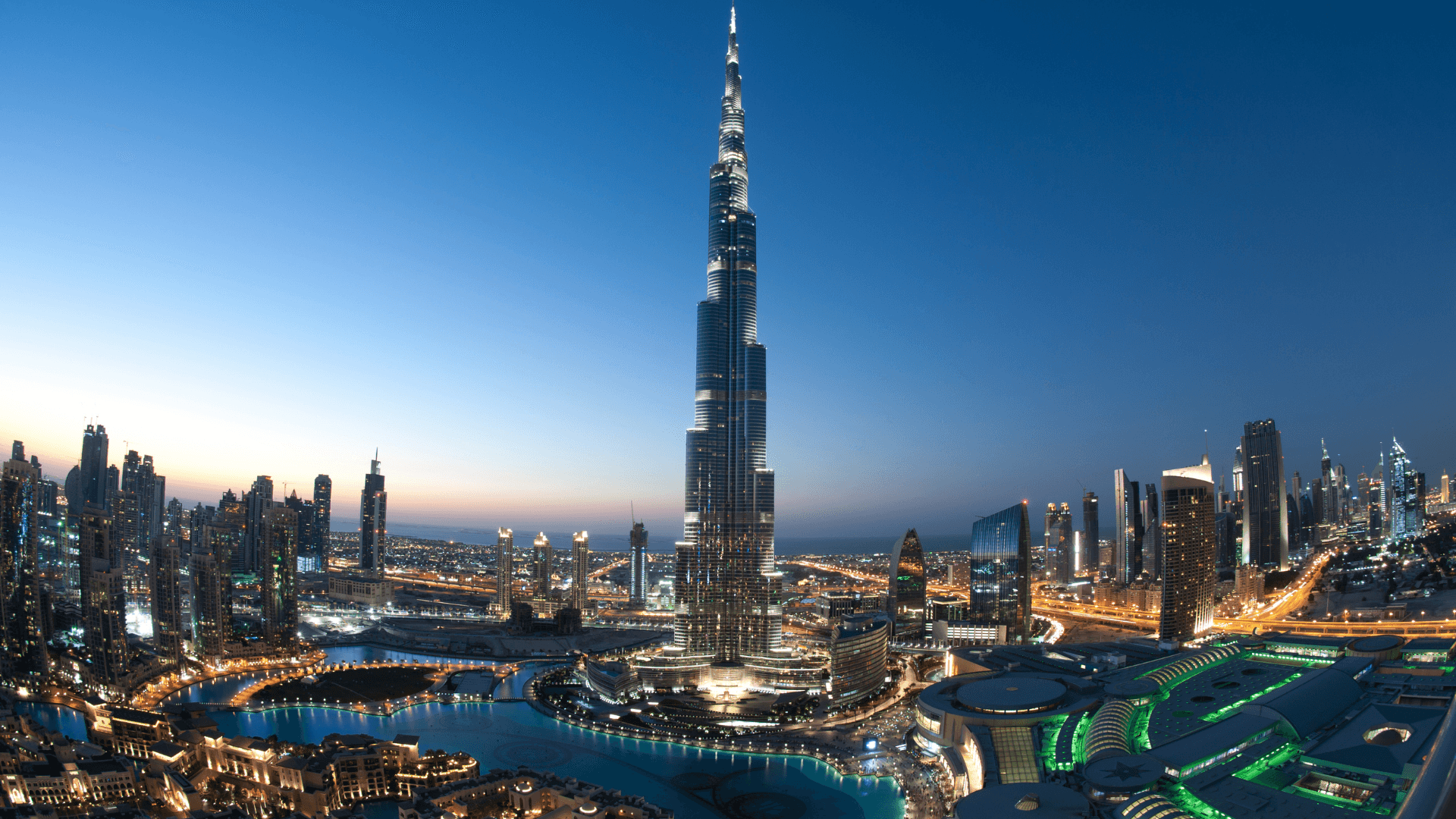
Dubai, a beacon of global commerce and innovation, continues to attract entrepreneurs seeking to establish a thriving general trading company. Its strategic location, pro-business policies, and robust infrastructure make it an unparalleled hub for international trade. However, understanding the financial landscape and the true cost of setting up a general trading company in Dubai is paramount for effective planning and successful business setup.

setting up a general trading company in Dubai
This comprehensive guide delves into the various expenditures you can expect, offering a transparent breakdown to help you budget accurately and navigate the company formation process with confidence.
Key Takeaways
- Total Cost Varies Significantly: The overall cost of setting up a general trading company in Dubai typically ranges from AED 12,500 to AED 60,000, heavily dependent on your chosen jurisdiction (Mainland vs. Free Zone), license type, office space, and visa requirements.
- License Fees are Primary: General Trading License fees are a core component, ranging from AED 12,500 to AED 15,000 for mainland and starting from AED 11,900 in some free zones.
- Mainland vs. Free Zone:
- Mainland: Offers unrestricted trade across the UAE and the ability to bid for government contracts. Costs are generally higher, and a physical office is mandatory.
- Free Zone: Provides 100% foreign ownership, full profit repatriation, and tax incentives, often with lower initial setup costs and flexible office solutions like “flexi-desks.”
- Beyond the License: Don’t overlook additional costs such as trade name reservation, initial approval fees, visa expenses, office space rentals, and professional service charges.
- Strategic Planning is Crucial: Engaging with business setup consultants and carefully weighing your options can significantly optimize your initial investment and long-term operational costs.
Understanding Dubai’s Appeal for General Trading
Dubai’s vision for economic diversification has cemented its reputation as a global trading powerhouse. A general trading license in Dubai offers remarkable flexibility, allowing businesses to import, export, wholesale, and retail a diverse array of products, including electronics, textiles, food products, and more. This broad scope is a significant advantage over a standard trading license, which restricts activities to specific goods. The emirate’s world-class logistics, port facilities, and customs procedures further streamline international trade operations.
Key Cost Components of Company Formation in Dubai
Setting up a general trading company in Dubai involves several mandatory and optional cost elements. Understanding each component is crucial for accurate budgeting.
1. Business License Fees (General Trading License)
The general trading license itself forms the largest part of your initial company formation expenditure. The cost largely depends on your chosen jurisdiction: Dubai Mainland or one of Dubai’s numerous Free Zones.
- Dubai Mainland General Trading License:
- The base license fee for establishing a general trading LLC in Dubai Mainland typically ranges from AED 12,500 to AED 15,000.
- Additionally, the Dubai Department of Economy and Tourism (DET, formerly DED) charges specific activity fees for general trading, which are approximately AED 15,000.
- Including initial approvals and trade name reservation, the total cost for a mainland general trading license can fall between AED 28,000 and AED 40,000 (approximately USD 7,600 to USD 11,000) for the first year. Some estimates for the first year government cost are around AED 25,000, with renewals at AED 15,000.
- Dubai Free Zone General Trading License:
- Free zones generally offer more competitive packages. A general trading license in a free zone can start from as low as AED 11,900 (e.g., IFZA with a zero-visa quota).
- However, the cost can increase significantly, ranging up to AED 50,000 or more, depending on the specific free zone, the number of business activities, and the visa quota included in the package.
- Packages with a single visa quota typically start from approximately AED 15,700.
- General trading activities often incur additional fees of AED 15,000-20,000 due to their comprehensive scope.
2. Registration and Government Fees
Beyond the core license fee, several other government-related charges contribute to the overall business setup cost.
- Trade Name Reservation: Reserving a unique trade name is a mandatory first step. The standard government fee for this is approximately AED 620. Be aware that using non-Arabic terms or specific words like “Group,” “International,” or “Holding” may incur additional charges ranging from AED 1,000 to AED 2,500. A reserved trade name is valid for 180 days.
- Initial Approval: This essential approval defines your legal form and economic activities. The cost for initial approval can be around AED 120, though some sources suggest it can range from AED 345 to AED 3,000 or more, depending on required approvals.
- Memorandum of Association (MOA) / Articles of Association: For LLCs, a notarized MOA is required. Notarization fees are typically around AED 350, but can range from AED 1,000 to AED 3,000 if drafting services are also included.
- Commercial Register Entry & Chamber of Commerce Registration: Many businesses are required to register with the Dubai Chamber of Commerce and Industry. These fees generally range from AED 1,000 to AED 3,000.
3. Office Space Requirements and Costs
Your choice of office space is a significant cost factor, especially for mainland companies.
- Flexi-desk / Co-working Spaces:
- Often offered in free zones, flexi-desks provide a legal business address and access to shared workspaces and meeting rooms, keeping overheads low.
- Costs for flexi-desk packages can start from AED 4,000 annually, with many packages ranging from AED 5,500 to AED 14,500 per year.
- For example, IFZA offers flexi-desk packages starting from AED 14,000 per year, while Meydan Free Zone starts from AED 14,500 per year.
- Physical Office (Mandatory for Mainland):
- Mainland companies are legally required to have a physical office space and an Ejari (a mandatory registration of your tenancy contract).
- Annual rental costs for a small office can start from AED 15,000 and go up to AED 50,000 or more, depending on the location (e.g., Downtown Dubai vs. suburban areas) and size.
- Traditional office spaces in prime locations can range from AED 50,000 to AED 150,000 per year, excluding utilities and maintenance.
4. Visa Costs and Immigration Fees
If you plan to reside in Dubai or hire employees, visa-related costs are essential to consider.
- Investor/Partner Visas: The cost for an investor or partner visa (typically valid for 3 years) is approximately AED 2,500, in addition to medical tests and Emirates ID fees.
- Employee Visas: Similar costs apply for employee visas, typically ranging from AED 3,000 to AED 6,000 per employee, including medical tests and Emirates ID.
- E-Channel Registration: A mandatory immigration pre-requisite for both mainland and free zone companies. This typically involves a one-time fee of AED 2,400 and an annual renewal fee of AED 1,400.
- Dependant Visas: Sponsoring family members will incur additional visa costs.
- Health Insurance: Health insurance is mandatory for all visa holders in Dubai and should be factored into ongoing costs.
5. Share Capital Requirements
The minimum share capital requirement varies significantly depending on the free zone and business activity. While some free zones may require a minimum of AED 1,000, the average share capital for free zones in Dubai is often set at AED 50,000. For many mainland company activities, there are no specific paid-up share capital requirements, which can be an advantage. It’s important to note that while a bank guarantee is not always mandatory, the share capital amount may need to be mentioned in the Memorandum of Association.
6. Professional Service Fees
Navigating the complexities of company formation in Dubai often benefits from the expertise of business consultants and PRO (Public Relations Officer) services.
- Business Setup Consultants: These professionals guide you through the entire process, from choosing the right jurisdiction and legal structure to document preparation and submission. Their fees can range from AED 5,000 to AED 15,000, providing invaluable support.
- PRO Services: PRO services manage all government-related interactions, including visa processing, document clearing, and other administrative tasks. Their costs can vary from AED 500 to AED 5,000 per service, or packages might range from AED 4,595 to AED 14,995 annually, depending on the scope.
- Legal Services: For drafting complex agreements or specialized legal advice, legal fees may apply.
7. Bank Account Setup
While the actual corporate bank account setup doesn’t typically involve direct fees to the bank for opening, many banks in Dubai require companies to maintain a minimum average balance, often ranging from AED 50,000 to AED 100,000. This is a crucial liquidity consideration.
8. Other Potential Costs
Don’t forget to budget for these additional expenses:
- Document Attestation/Legalization: For documents originating outside the UAE, attestation by the Ministry of Foreign Affairs (MOFA) is required, costing around AED 250 per document. Legal translations can cost approximately AED 53 per page or an estimated AED 1,500-2,500 overall.
- Company Stamp: Essential for official documents, a company stamp costs around AED 90.
- PO Box Registration: Registration or renewal of a company PO Box can cost approximately AED 700.
- Customs Registration: If you plan significant import/export activities, customs registration is necessary, with fees available upon inquiry from PRO service providers.
- Value Added Tax (VAT) Registration: Businesses with taxable supplies exceeding AED 375,000 are required to register for VAT.
- Corporate Tax: As of June 2023, the UAE implemented a 9% corporate tax on taxable profits exceeding AED 375,000, with certain free zone entities potentially qualifying for a 0% rate on qualifying income.
Mainland vs. Free Zone: A Cost Comparison
The choice between Dubai Mainland and a Free Zone is one of the most impactful decisions influencing your business setup cost.
Dubai Mainland:
- Pros:
- Unrestricted ability to trade anywhere in the UAE and engage directly with the local market.
- Allows for government contracts.
- Since 2021, 100% foreign ownership is allowed for most business activities, eliminating the need for a local sponsor and associated fees (previously AED 6,000 – AED 20,000 annually).
- No paid-up share capital requirement for many license types.
- Cons:
- Generally higher overall costs, especially due to mandatory physical office space and higher licensing fees.
- More extensive governmental approvals might be required for certain activities.
Dubai Free Zone:
- Pros:
- 100% foreign ownership and full repatriation of profits.
- Often offers competitive initial packages, sometimes with lower overall costs for smaller setups, especially with flexi-desk options.
- Streamlined setup processes and minimal paperwork.
- Exemption from customs duty for goods imported into the free zone.
- Access to world-class infrastructure, logistics, and warehousing facilities within the free zone.
- Cons:
- Operations are primarily confined within the free zone or internationally. To trade directly in the UAE mainland, a separate distributor or a mainland branch is typically required, though trade activities with mainland customers are possible through local distributors.
- May have limitations on the number of visas per package.
Factors Influencing Your Total Investment
Several variables will dictate the final cost of setting up a general trading company in Dubai:
- Chosen Jurisdiction: As detailed above, Mainland and Free Zones have distinct cost structures.
- Specific Business Activities: While a general trading license offers broad scope, some specialized activities (e.g., related to food, pharmaceuticals) may require additional approvals and incur extra fees.
- Number of Visas: Each visa adds to the overall cost (fees, medical, Emirates ID, E-channel).
- Office Space: Whether you opt for a flexi-desk, shared office, or dedicated physical office will significantly impact rental expenses.
- Professional Services: Utilizing business consultants and PRO services adds to the cost but can save time, prevent errors, and ensure compliance.
- Urgency: Expedited services can sometimes incur higher fees.
Strategies to Optimize Your Company Setup Costs
- Choose the Right Jurisdiction: Carefully evaluate your business model, target market, and operational needs to determine if a mainland or free zone setup is more cost-effective for you.
- Start Lean with a Flexi-Desk: If your business doesn’t require a full-time physical office, a flexi-desk in a free zone can drastically reduce initial overheads.
- Bundle Services: Many business setup consultants offer comprehensive packages that can be more cost-effective than paying for individual services.
- Understand Renewal Costs: While initial setup is important, remember that many fees (license, office rent, visas) are annual. Budget for renewals to avoid surprises.
- Leverage 100% Foreign Ownership: For mainland companies, the ability to have 100% foreign ownership for many activities eliminates the need for an annual local sponsor fee, saving thousands of dirhams.
Step-by-Step: The Business Setup Process in Dubai
The process for business setup in Dubai for a general trading company, whether in Mainland or a Free Zone, generally follows these steps:
- Determine Business Activities: Clearly define the range of products you intend to trade. A general trading license offers broad scope but be aware of any specific items that may require additional permits (e.g., restricted goods).
- Choose Your Jurisdiction: Decide between Dubai Mainland or a Free Zone based on your business objectives, target market, and budget.
- Select a Trade Name: Propose 3-5 unique trade names, ensuring they comply with DED guidelines and are not already in use. Reserve your chosen name.
- Obtain Initial Approval: Submit your application for initial approval to the relevant authority (DED for Mainland, or the specific Free Zone authority). This defines your legal structure and economic activities.
- Prepare Legal Documents: Draft and notarize your Memorandum of Association (MOA) and other constitutional documents, if applicable to your chosen legal structure.
- Secure Office Space: Depending on your jurisdiction, lease a physical office (mainland) or opt for a flexi-desk/shared office solution (free zone). Obtain your Ejari for mainland setups.
- Gather External Approvals (If Required): Some trading activities might need additional approvals from specific government entities (e.g., Dubai Municipality, Ministry of Health and Prevention).
- Pay License Fees & Obtain License: Submit all required documents and pay the final license fees to receive your official general trading license.
- Register with Chamber of Commerce: For most commercial activities, registration with the Dubai Chamber of Commerce and Industry is mandatory.
- Open Corporate Bank Account: With your license in hand, you can proceed to open a corporate bank account.
- Apply for Visas: Apply for investor/partner visas and employee visas as needed, including Emirates ID and medical tests.
By following these steps and carefully managing the associated costs, you can successfully establish your general trading venture in Dubai.
FAQ
Q1: What is a general trading license in Dubai?
A general trading license in Dubai is a business permit that allows you to engage in the import, export, wholesale, and retail of a wide variety of goods across multiple categories, giving you significant flexibility in your business operations.
Q2: How much does a general trading license cost in Dubai Mainland?
The license fees alone for a general trading license in Dubai Mainland typically range from AED 12,500 to AED 15,000, plus additional DED activity fees of around AED 15,000. The total cost for mainland, including various government charges, usually falls between AED 28,000 and AED 40,000 for the first year.
Q3: What is the cost of a general trading license in a Dubai Free Zone?
The cost for a general trading license in a Dubai Free Zone can start from as low as AED 11,900, especially for packages with zero visa quotas in certain free zones. However, it can go up to AED 50,000 or more depending on the specific free zone, included services, and visa allocations.
Q4: Do I need a physical office to set up a general trading company in Dubai?
For a mainland general trading company, a physical office with an Ejari registration is mandatory. For free zone companies, flexible office solutions like “flexi-desks” or co-working spaces often fulfill the requirement for a legal business address at a lower cost.
Q5: What are “flexi-desk” costs in Dubai?
Flexi-desks are cost-effective shared workspaces, primarily offered in free zones, providing a legal business address and access to office amenities. Their annual costs typically range from AED 4,000 to AED 14,500, depending on the free zone and services included.
Q6: What are the typical visa costs for a general trading company in Dubai?
Investor/partner and employee visas (valid for 3 years) cost approximately AED 2,500 to AED 6,000 each, plus medical examination and Emirates ID fees. Additionally, there’s a one-time E-Channel registration fee of AED 2,400 and an annual renewal fee of AED 1,400.
Q7: Is 100% foreign ownership allowed for general trading companies in Dubai?
Yes, since 2021, 100% foreign ownership is allowed for most business activities on the Dubai Mainland. Free zone companies have always offered 100% foreign ownership.
Q8: What is the minimum share capital required for a general trading company?
Minimum share capital requirements vary widely by free zone, from as low as AED 1,000 to AED 1,000,000. The average for free zones is often around AED 50,000. For many mainland company types, there is no specific paid-up share capital requirement.
Q9: Should I use a business setup consultant or PRO services?
While not strictly mandatory, engaging business setup consultants and PRO services is highly recommended. They provide expert guidance, streamline the complex company formation process, ensure compliance, and can save you significant time and potential errors, making the investment often worthwhile.
Q10: Are there any hidden costs in setting up a company in Dubai?
Common additional costs to consider include legal translation fees (AED 1,500-2,500), document attestation, health insurance (mandatory for all visa holders), company stamp, and bank compliance requirements (minimum balance of AED 50,000-100,000). Corporate tax of 9% applies to profits exceeding AED 375,000 for mainland companies.
Table of content
- 1. Business License Fees (General Trading License)
- 2. Registration and Government Fees
- 3. Office Space Requirements and Costs
- 4. Visa Costs and Immigration Fees
- 5. Share Capital Requirements
- 6. Professional Service Fees
- 7. Bank Account Setup
- 8. Other Potential Costs
- Q1: What is a general trading license in Dubai?
- Q2: How much does a general trading license cost in Dubai Mainland?
- Q3: What is the cost of a general trading license in a Dubai Free Zone?
- Q4: Do I need a physical office to set up a general trading company in Dubai?
- Q5: What are “flexi-desk” costs in Dubai?
- Q6: What are the typical visa costs for a general trading company in Dubai?
- Q7: Is 100% foreign ownership allowed for general trading companies in Dubai?
- Q8: What is the minimum share capital required for a general trading company?
- Q9: Should I use a business setup consultant or PRO services?
- Q10: Are there any hidden costs in setting up a company in Dubai?

