
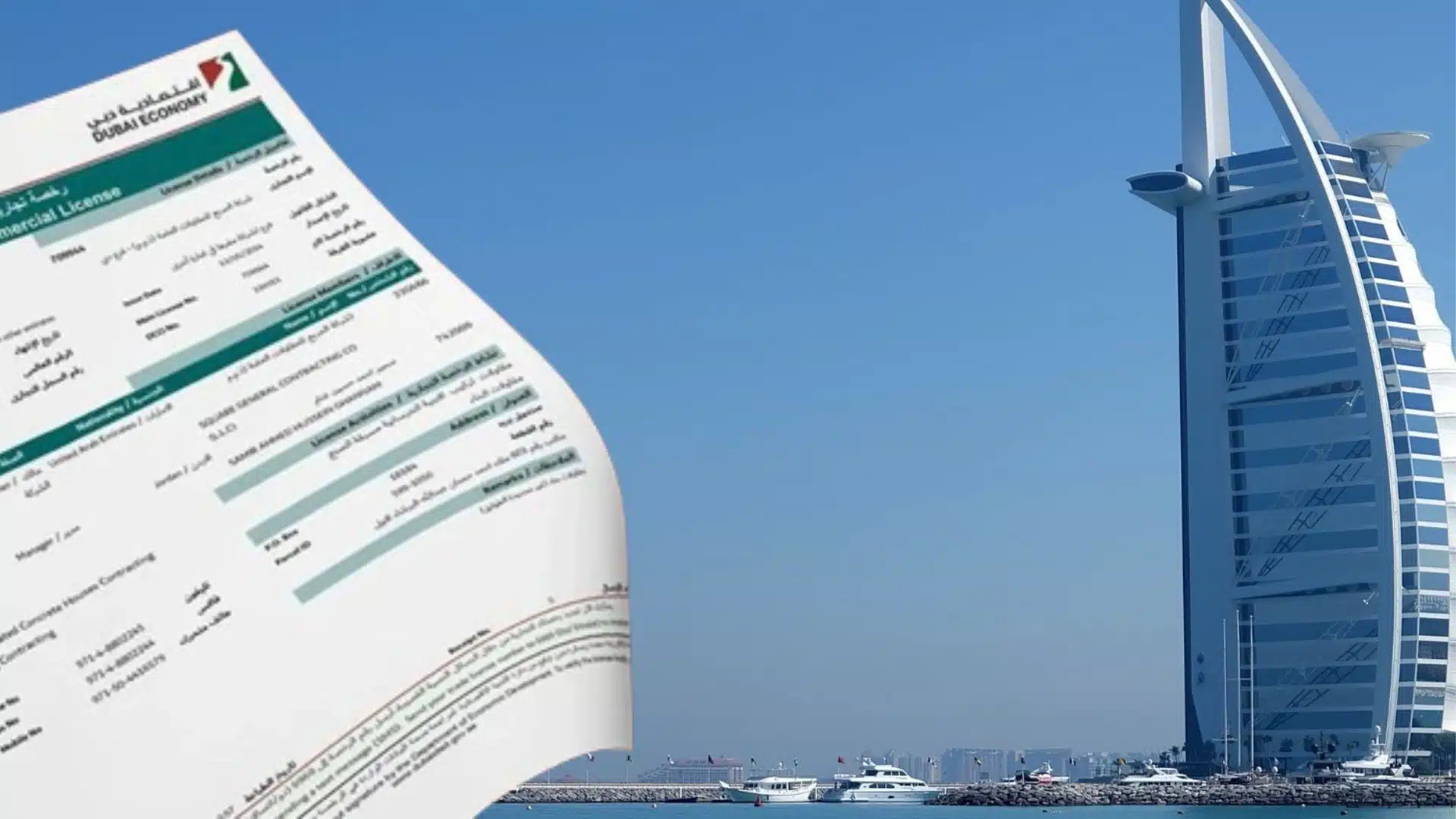
Business Setup in Dubai from India 2026: Unlock Explosive Growth

Business setup in Dubai from India 2026
Dubai has firmly established itself as a global business powerhouse, offering unparalleled opportunities for growth, innovation, and international expansion. For Indian SMEs, tech founders, and family-run businesses, the emirate presents a strategic gateway to de-risk operations and scale globally. This comprehensive guide provides actionable insights into navigating the business setup in Dubai from India, leveraging recent policy changes, and optimizing for success in 2025 and beyond.
Key Takeaways
- 100% Foreign Ownership: As of 2021, the UAE largely eliminated the need for a local sponsor, permitting 100% foreign ownership UAE 2025 in most mainland sectors, broadening opportunities for Indian entrepreneurs.
- Strategic Growth Hub: Dubai offers a stable economy, world-class infrastructure, and a strategic location connecting East and West, making it an ideal base for global market access.
- CEPA Benefits: The India-UAE CEPA benefits significantly reduce tariffs (over 80% of goods, 90% trade value at zero duty), enhance market access for services, and streamline customs for Indian businesses.
- Favorable Tax Regime: Enjoy 0% personal income tax and a competitive 9% corporate tax (on taxable income exceeding AED 375,000), with many free zones offering 0% corporate tax on qualifying income.
- Accessible Setup: Streamlined processes for obtaining a Dubai trade license for Indians and securing a Dubai investor visa for Indians simplify relocation and operation.
- Cost-Effective Options: Free zones like Meydan offer attractive, transparent setup packages, with Meydan Free Zone cost starting from AED 12,500 for a basic license.
Why Dubai is the Preferred Hub for Indian Businesses
Dubai’s appeal to Indian entrepreneurs is multifaceted, extending beyond its geographical proximity and strong bilateral ties. The emirate has cultivated an ecosystem designed for global business success.
Strategic Location and Connectivity
Positioned at the crossroads of Asia, Africa, and Europe, Dubai offers unparalleled access to over 2 billion consumers. Its advanced logistics, including world-class airports and Jebel Ali Port, facilitate efficient trade and distribution, crucial for businesses with international aspirations.
Economic Stability and Growth
The UAE boasts a robust and diversified economy, supported by progressive government policies and significant foreign investment. In 2024, India emerged as the top source country for FDI into Dubai, with investments surging to over $3 billion, highlighting growing confidence in the emirate’s economic landscape.
Favorable Tax Regime
Dubai presents substantial tax advantages:
- Zero Personal Income Tax: Individuals retain 100% of their earnings.
- Corporate Tax: Introduced in June 2023, a 9% corporate tax applies to taxable income exceeding AED 375,000 (approximately INR 84 lakhs). Businesses with taxable income below this threshold enjoy a 0% rate. Free zone companies, if they meet specific criteria for “qualifying income,” can still benefit from a 0% corporate tax rate.
- No Capital Gains Tax: Businesses can sell assets or shares without capital gains tax implications.
- Low VAT: A relatively low 5% Value Added Tax (VAT) further minimizes operational costs.
Ease of Doing Business and World-Class Infrastructure
The UAE consistently ranks high in global ease of doing business indices due to streamlined company formation procedures, minimal bureaucracy, and fast licensing processes. Dubai also boasts state-of-the-art infrastructure, including advanced telecommunications and a thriving digital economy, supporting modern business needs.
Quality of Life and Safety
Dubai offers a high standard of living, excellent healthcare, and a safe, secure environment, making it an attractive destination for entrepreneurs and their families. International schools offering diverse curricula, including CBSE and ICSE, cater to Indian families.
Understanding Business Setup Options in Dubai
Indian entrepreneurs have several legal structures and jurisdictions to choose from, each offering distinct advantages.
Mainland Company Setup
A mainland company is licensed by the Dubai Department of Economy and Tourism (DET) and can conduct business directly within the UAE market and internationally.
- Pros: Full access to the local market, ability to bid for government contracts, greater flexibility in choosing office locations.
- Cons: Historically required a local sponsor, though this has largely changed.
- Key Update: Recent reforms allow 100% foreign ownership UAE 2025 in most commercial and industrial activities on the mainland, removing the previous 51% local sponsorship requirement.
Free Zone Company Setup
Dubai’s numerous free zones are special economic areas designed to promote specific industries by offering distinct incentives.
- Pros: 100% foreign ownership (a historical advantage now extended to mainland), 100% repatriation of capital and profits, customs duty exemptions, simplified setup processes, and often industry-specific support.
- Cons: Generally restricted to conducting business within the free zone or internationally. Direct business with the UAE mainland typically requires a local distributor or agent, or specific licenses.
- Popular Choice: Many Indian founders prefer free zones for greater autonomy, streamlined operations, and lean operating costs, especially for consulting, IT, digital, or global trading businesses.
Offshore Company Setup
Offshore companies are typically used for asset protection, international trading, and holding purposes, offering privacy and tax efficiency. They do not have a physical presence in the UAE and are restricted from conducting business within the local market.
The New Era of 100% Foreign Ownership in UAE (Post-2020 & 2025 Outlook)
The UAE has undergone significant legislative reforms, making it even more attractive for foreign direct investment. The most impactful change is the amendment to the UAE Commercial Companies Law, which virtually eliminated the requirement for a local sponsor (UAE national) to hold 51% ownership in mainland companies.
- Historic Shift: Prior to 2021, 100% foreign ownership was largely limited to free zones. The new law, effective from June 1, 2021, and further refined for 100% foreign ownership UAE 2025, allows full ownership for foreign investors in most economic activities on the mainland.
- Scope of Activities: This reform covers over 1,000 economic activities across diverse sectors including agriculture, manufacturing, hospitality, healthcare, transport, construction, science, technology, retail, and e-commerce.
- Exemptions: Certain strategic sectors, such as defense, security, telecommunications, banking, and regulated financial services, may still have specific ownership restrictions.
- Impact for Indian Businesses: This change grants Indian entrepreneurs complete control over their mainland ventures, simplifying decision-making and enhancing investor confidence.
Streamlined Process: Business Setup Steps for Indian Entrepreneurs
Setting up a business in Dubai involves a clear, step-by-step process. Partnering with a reputable business setup consultant can significantly ease this journey.
- Choose Your Business Activity and Legal Structure: Define your business activities (e.g., commercial, professional, industrial) and select the appropriate legal form (e.g., LLC, Sole Establishment, Free Zone Company).
- Select a Trade Name: Propose a unique trade name that complies with UAE naming conventions.
- Choose Your Jurisdiction (Mainland vs. Free Zone): Decide whether a mainland or free zone setup best suits your business goals, considering market access, ownership, and operational flexibility.
- Apply for Initial Approval: Submit an application for initial approval to the relevant authority (DET for mainland, or the specific Free Zone Authority).
- Prepare Required Documents: This typically includes:
- Copies of passports for all partners/shareholders.
- Memorandum of Association (MOA) for LLCs.
- Business plan.
- No Objection Certificate (NOC) if employed in the UAE.
- Proof of address.
- Secure Office Space (if applicable): For mainland companies, a physical office and Ejari registration (tenancy contract attested by RERA) are usually mandatory. Free zones often offer flexible workspace options like flexi-desks or virtual offices.
- Obtain Your Dubai Trade License for Indians: Upon fulfilling all requirements and approvals, the final trade license is issued. Licenses can be commercial, industrial, professional, or tourism-specific.
- Featured Snippet Optimization: A Dubai trade license for Indians is an official document required to legally conduct business activities in Dubai. The process typically involves choosing a business activity, reserving a trade name, selecting a jurisdiction (mainland or free zone), applying for initial approval, submitting necessary documents (such as passport copies and a business plan), and securing office space, followed by the final license issuance.
- Open a Corporate Bank Account: Once your company is registered and licensed, you can open a corporate bank account with a local or international bank in Dubai.
- Apply for Visas: Proceed with applications for residency visas, including the Dubai investor visa for Indians, for yourself and your employees.
Key Advantages & Benefits for Indian Businesses
Dubai offers a unique blend of benefits tailored to Indian entrepreneurs seeking international growth.
India-UAE CEPA Benefits
The Comprehensive Economic Partnership Agreement (CEPA), signed in 2022, is a landmark agreement designed to bolster trade and investment between India and the UAE.
- Tariff Reductions: CEPA significantly reduces or eliminates customs duties on over 80% of goods, covering 90% of bilateral trade value. This translates to lower costs for Indian exporters and more competitive pricing in the UAE market.
- Enhanced Market Access for Services: The agreement opens doors for Indian service providers in sectors like IT, healthcare, education, and professional services, removing barriers to entry and operation.
- Smoother Investment Flows: CEPA fosters a more secure and attractive environment for Indian corporations to establish a physical presence and invest long-term in Dubai.
- Streamlined Customs Procedures: The agreement aims to digitize and simplify customs procedures, accelerating the movement of goods and improving efficiency for import/export businesses.
- Liberalized Visa Regime: CEPA includes provisions for a three-year visa for intra-corporate transferees and a 90-day visa for business visitors and contractual service suppliers, facilitating movement of skilled professionals.
- Featured Snippet Optimization: The India-UAE CEPA benefits Indian businesses by significantly reducing tariffs on over 80% of goods, boosting market access for service sectors like IT and healthcare, facilitating smoother investment flows, and streamlining customs procedures, with an aim to increase bilateral trade to US$100 billion in five years.
Other Advantages
- Repatriation of Capital and Profits: The UAE has no currency restrictions, allowing 100% repatriation of capital and profits.
- Access to Skilled Workforce: Dubai attracts a diverse, multinational talent pool, providing access to a highly skilled workforce.
- Strong Indian Community and Networks: A thriving Indian diaspora and active business councils provide instant networking opportunities, mentorship, and market intelligence for newcomers.
Cost Considerations: What to Expect
Understanding the financial outlay is crucial for planning your business setup in Dubai from India. Costs vary depending on jurisdiction (mainland vs. free zone), business activity, and visa requirements.
General Cost Components
- Trade License Fees: These vary significantly. For a mainland license, costs can start from approximately AED 12,000 (around INR 2.50 lakh) annually. Free zone licenses typically range from AED 15,000 to AED 25,000 (INR 3.10 lakh to INR 5.20 lakh) per year.
- Office/Workspace Costs: Mainland companies usually require a physical office, which adds to the rent. Free zones offer cost-effective options like flexi-desks or virtual offices, reducing overheads.
- Visa Costs: Visa fees for entrepreneurs and employees can range from AED 3,000 to AED 7,000 (INR 62,000 to INR 1.45 lakh) per person.
- Registration & Initial Approval Fees: These are part of the initial setup.
- Other Operational Expenses: Bank account opening fees, potential security deposits, and professional consultancy fees.
Meydan Free Zone Cost
Meydan Free Zone is a popular and often cost-effective choice for Indian entrepreneurs due to its digital licensing and strategic location.
- License Packages: Basic license fees start from AED 12,500 (approximately ₹2.75 lakh), which typically includes up to three business activities.
- Visa Inclusive Packages: Packages combining a license with one visa start from AED 14,350. For up to six visas, a package might cost around AED 23,600.
- Annual Renewal: The annual trade license renewal fee for Meydan Free Zone is generally AED 12,500+.
- Flexibility: Meydan Free Zone offers remote setup, no minimum paid-up capital requirements, and partnerships with multiple banks for easier account opening.
- Featured Snippet Optimization: The Meydan Free Zone cost for a basic business license starts from approximately AED 12,500 (around ₹2.75 lakh), which typically includes up to three business activities. Packages that include visa entitlements are also available, with options for one or multiple visas. Annual renewal fees for the trade license are around AED 12,500+.
Navigating Visas and Immigration
Obtaining the right visa is crucial for establishing your presence in Dubai.
Dubai Investor Visa for Indians
This visa is a popular pathway for Indian entrepreneurs and investors seeking residency in the UAE.
- Eligibility:
- Company Investor Visa: Requires starting a new company or investing in an existing one. Eligibility often involves a minimum capital investment (e.g., AED 50,000 for a company investor visa, or shares worth AED 72,000 in a free zone company).
- Property Investor Visa: Investment in real estate can also qualify. A 5-year visa might require property with a gross value of over AED 5 million, while a 10-year Golden Visa requires property worth at least AED 2 million.
- Types: Visas range from 2-year to 5-year and even 10-year (Golden Visa) options, depending on the investment amount and type.
- Documents Required: Passport copy, personal photograph, Memorandum of Association (MOA), valid trade license, and establishment card are typically needed.
- Process: Involves company registration or property investment, obtaining an establishment card, applying for an entry permit, undergoing medical tests, applying for an Emirates ID, submitting biometric data, and finally, visa stamping.
- Family Sponsorship: Holders of a Dubai Investor Visa can often sponsor their family members (spouse and children).
- Featured Snippet Optimization: A Dubai investor visa for Indians offers residency by making a qualifying investment in a business (e.g., minimum share capital, or investment in an existing company) or property. Eligibility criteria vary based on the visa duration (2, 5, or 10 years, including the Golden Visa), and applicants typically need to submit their passport copy, trade license, MOA, and undergo medical tests and Emirates ID registration.
Post-Setup Compliance & Growth
Once your business is operational, ongoing compliance is essential.
- VAT Registration & Compliance: If your annual turnover exceeds AED 375,000, you must register for VAT.
- Corporate Tax Compliance: Businesses must register with the Federal Tax Authority (FTA) and file corporate tax returns annually within nine months of their financial year-end. Maintaining proper records is critical.
- Annual License Renewal: Trade licenses must be renewed annually with the relevant authority.
- Auditing Requirements: Depending on your legal structure and activities, annual audits may be mandatory.
- Economic Substance Regulations (ESR): Certain businesses may need to demonstrate economic substance in the UAE.
Conclusion
Dubai offers an unparalleled launchpad for Indian businesses looking to expand their horizons, de-risk operations, and tap into global markets. The recent reforms, particularly 100% foreign ownership UAE 2025, coupled with the significant India-UAE CEPA benefits, make the emirate an even more compelling destination. By understanding the options, navigating the transparent setup process for a Dubai trade license for Indians, managing the Meydan Free Zone cost effectively, and securing the appropriate Dubai investor visa for Indians, entrepreneurs can confidently establish and grow their ventures in this dynamic global hub.
FAQ
Q1: Can an Indian citizen own 100% of a business in Dubai mainland in 2026? Yes, as of 2021 and continuing into 100% foreign ownership UAE 2026, Indian citizens can own 100% of a mainland company in most commercial and industrial sectors, without the need for a local sponsor. Exceptions apply to strategic sectors like defense, security, telecommunications, and regulated financial services.
Q2: What are the main benefits for Indian businesses under the India-UAE CEPA? The India-UAE CEPA benefits include significant tariff reductions on goods (over 80% with zero duty on 90% of trade value), enhanced market access for Indian service providers (IT, healthcare, education), smoother investment flows, streamlined customs procedures, and a liberalized visa regime for business travelers and transferees.
Q3: How much does a Dubai trade license for Indians typically cost? The cost for a Dubai trade license for Indians varies by jurisdiction and activity. Mainland licenses can start around AED 12,000 annually. Free zone licenses typically range from AED 15,000 to AED 25,000 per year. For specific free zones like Meydan, a basic license can start from AED 12,500.
Q4: What is the process to get a Dubai investor visa for Indians? To obtain a Dubai investor visa for Indians, you typically need to make a qualifying investment in a company or property. The process involves registering your company or proving your investment, obtaining an establishment card, applying for an entry permit, completing medical tests, applying for an Emirates ID, and finally, getting your visa stamped. Required documents include passport copies, a valid trade license, and the company’s Memorandum of Association (MOA).
Q5: Is it cheaper for Indians to set up a business in a Dubai Free Zone or on the Mainland? For many Indian entrepreneurs, especially those in consulting, IT, digital, or global trading, a free zone is often more cost-effective due to lower setup fees, faster licensing processes, and flexible (or virtual) office space options, as reflected in the Meydan Free Zone cost. Mainland setups might incur higher initial costs due to physical office requirements, but offer direct access to the wider UAE local market.
Q6: What is the corporate tax rate in Dubai for 2025? The UAE introduced a 9% corporate tax on taxable income exceeding AED 375,000 from June 1, 2023. Taxable income below this threshold remains at 0%. Free zone companies can still enjoy a 0% corporate tax rate on their “qualifying income” if they meet specific conditions. Large multinational enterprises (MNEs) with global consolidated revenues exceeding €750 million will be subject to a 15% Domestic Minimum Top-Up Tax (DMTT) from 2025.
Table of content
- Strategic Location and Connectivity
- Economic Stability and Growth
- Favorable Tax Regime
- Ease of Doing Business and World-Class Infrastructure
- Quality of Life and Safety
- Mainland Company Setup
- Free Zone Company Setup
- Offshore Company Setup
- India-UAE CEPA Benefits
- Other Advantages
- General Cost Components
- Meydan Free Zone Cost
- Dubai Investor Visa for Indians

