
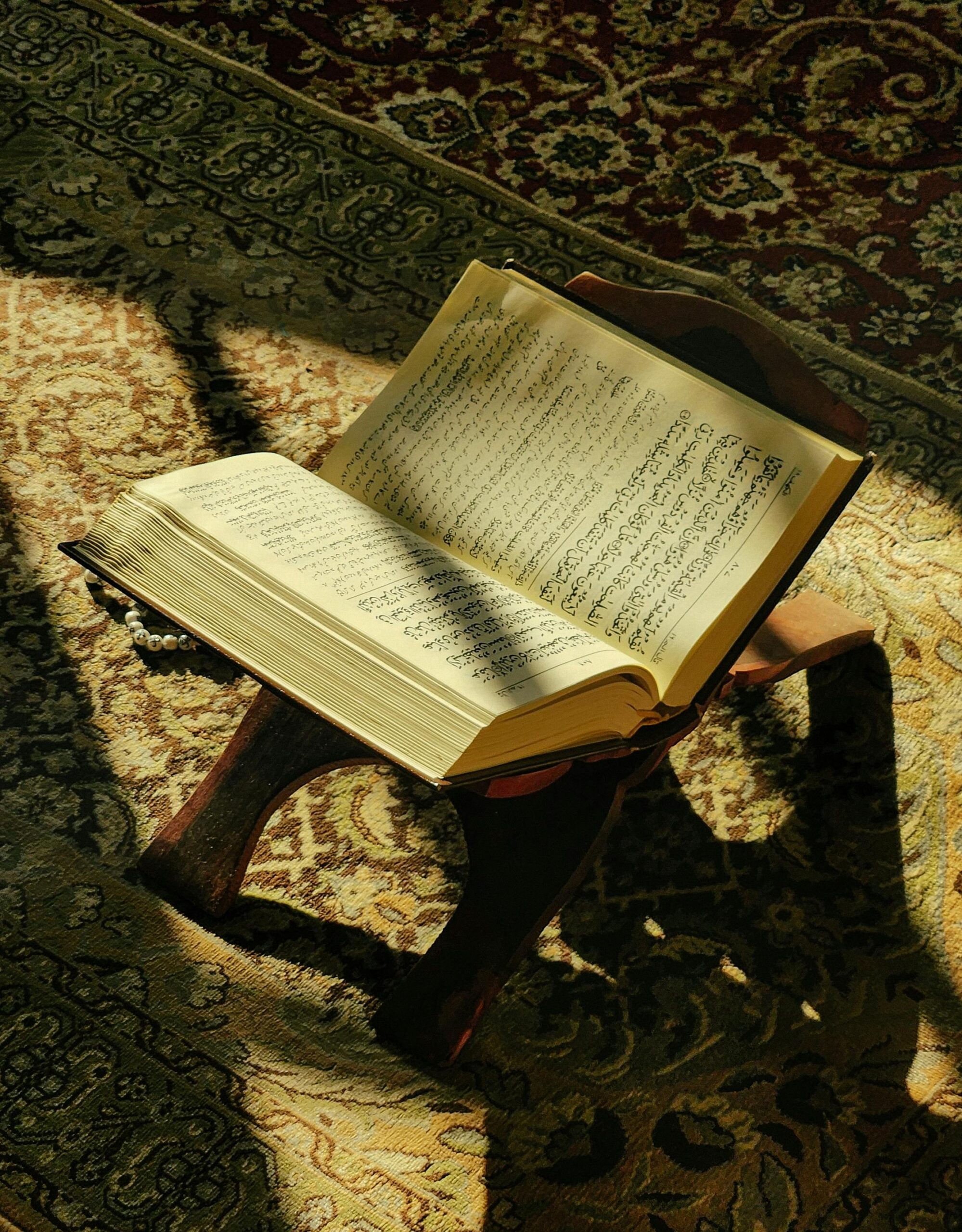
Ramadan in Dubai: The Complete Guide for International Expats
Last Updated: February 13, 2026
Table of Contents
- Quick Overview: What International Expats Need to Know
- Understanding Ramadan: More Than Just Fasting
- The Rules You Must Follow (Legally Enforceable)
- Daily Life Changes: What to Expect
- Business and Work: How Ramadan Affects Your Professional Life
- Making the Most of Ramadan as an Expat
- Ramadan 2026: Key Dates and Timeline
- FAQs from International Expats
Quick Overview: What International Expats Need to Know
Ramadan 2026 in Dubai is expected to begin around February 19 and last until approximately March 19-20 (exact dates confirmed by moon sighting on February 17). Whether you’re from the US, Europe, Asia, Australia, or anywhere else in the world, here’s what you absolutely need to know.
5 Non-Negotiable Rules During Ramadan:
- No eating, drinking, or smoking in public during daylight hours (this applies to EVERYONE, including non-Muslims)
- Dress modestly – shoulders and knees covered in public spaces
- Keep music and celebrations low-key during the day
- Alcohol service is restricted – most venues serve only after sunset
- Respect prayer times – avoid blocking mosque entrances and be patient with brief traffic pauses
The Penalty Reality:
Under UAE Penal Code Article 313, eating or drinking in public during Ramadan can result in fines up to AED 2,000 or jail time up to one month. This isn’t a cultural guideline—it’s law.
Understanding Ramadan: More Than Just Fasting
Ramadan is the ninth and holiest month in the Islamic calendar. For Muslims worldwide, it’s a time of spiritual reflection, self-discipline, prayer, and community.
What Happens During Ramadan?
From sunrise to sunset, practicing Muslims abstain from:
- Food and water
- Smoking
- Intimate relations during daylight
But Ramadan isn’t about deprivation—it’s about:
- Empathy: Understanding what it means to go without
- Gratitude: Appreciating what you have
- Community: Coming together to break fast
- Charity: Giving to those in need
The Lunar Calendar Factor
Ramadan follows the Hijri lunar calendar, which means it shifts approximately 10-12 days earlier each year and can fall in any season. The exact start date is confirmed by moon sighting, typically announced 1-2 days before Ramadan begins.
For 2026: Official confirmation expected on February 17, with Ramadan likely starting February 19 and lasting 29 or 30 days.
A Day in Ramadan Dubai:
Early Morning (4:00-5:00 AM) – Suhoor Pre-dawn meal before the fast begins. Hotels and restaurants offer special late-night Suhoor menus.
Sunrise – Fajr Prayer Fasting officially starts. The city quiets down as people begin their fast.
Daytime – Fasting Hours Dubai moves at a gentler pace. Offices have reduced hours, streets are quieter, and people conserve energy.
Sunset (6:30-7:00 PM) – Iftar A cannon fires across the city. Families break their fast with dates and water, followed by full meals.
Evening – Taraweeh Prayers Special Ramadan prayers held at mosques. Streets become lively with families and community gatherings.
Late Night – Social Gatherings Cafes, restaurants, and markets buzz with activity. This is when Dubai truly comes alive during Ramadan.
The Rules You Must Follow (Legally Enforceable)
As an international expat, you’re not expected to fast, but you must follow these rules:
1. Public Eating and Drinking is Prohibited
What This Means:
- No eating or drinking in public spaces from sunrise to sunset
- “Public” includes streets, malls, parks, offices, public transport, and inside your car
- Even chewing gum is not allowed in public view
Where You CAN Eat:
- Your home (with curtains/blinds closed)
- Designated dining areas in hotels (discreetly screened off)
- Some restaurants offer “closed” dining rooms
- Airport terminals (with discretion)
Pro Tip: Many expats keep snacks in their office or car and eat very discreetly if needed, but be extremely careful. When in doubt, wait until you’re truly in private.
2. Dress Code is Stricter
For Everyone:
- Shoulders must be covered
- Knees must be covered
- Avoid tight-fitting or revealing clothing
- This applies in malls, offices, government buildings, and public streets
Beach Exception: Regular beachwear is fine at private beaches and hotel pools, but cover up immediately when leaving.
Professional Settings: Business attire should be more conservative during Ramadan.
3. Public Behavior Standards
Keep It Low:
- No loud music from cars or public speakers
- Minimal public displays of affection
- No offensive language or gestures (enforcement is heightened)
- Nightclubs and entertainment venues may close or operate differently
Alcohol Restrictions:
- Most licensed venues don’t serve alcohol during daylight hours
- Some establishments don’t serve at all during Ramadan
- Hotel bars typically resume service after Iftar (around 7:30-8:00 PM)
- Liquor stores have adjusted hours
4. Mosque Etiquette
- Don’t block mosque entrances or exits
- Be patient if traffic briefly stops for the call to prayer
- Keep noise levels down near mosque areas
- Non-Muslims are welcome to observe from a respectful distance
Daily Life Changes: What to Expect
Dubai doesn’t shut down during Ramadan—it shifts gears.
Work Hours
| Category | Regular Hours | Ramadan Hours |
|---|---|---|
| Private Sector | 8-9 hours/day | Reduced by 2 hours (typically 9 AM – 3 PM) |
| Government Offices | 7:30 AM – 3:30 PM | Mon-Thu: 9 AM – 2:30 PM, Fri: 9 AM – 12 PM |
| Banks | 8 AM – 5 PM | 9 AM – 2 PM (varies by branch) |
| Schools | 7:30 AM – 3:00 PM | 8 AM – 1 PM (shorter days) |
Important: The 2-hour reduction applies to ALL employees in the private sector, whether they’re fasting or not. This is UAE labor law.
Dining and Restaurants
During the Day:
- Most restaurants are closed for dine-in
- Takeaway/delivery may be available from some establishments
- Hotel restaurants with screening may serve discreetly
- Coffee shops might be closed or have limited service
After Iftar:
- Restaurants get BUSY
- Special Ramadan menus appear
- Late-night dining becomes the norm
- Many places stay open until 2-3 AM
Traffic Patterns – New Rush Hours
| Time | What’s Happening | Tips |
|---|---|---|
| 7:00-9:00 AM | Morning rush (lighter than usual) | Best time for errands |
| 1:00-3:00 PM | Pre-Iftar rush begins | Avoid if possible |
| 5:30-7:00 PM | PEAK pre-Iftar traffic | Everyone rushing home |
| 7:30 PM onwards | Traffic eases | Roads clear after Iftar |
Traffic Hack: Avoid 5:30-7:00 PM at all costs. The city is in complete rush mode.
Entertainment and Nightlife
What Changes:
- Live music during the day is rare
- Concerts and events scheduled after Iftar
- Cinemas operate with adjusted showtimes
- Some entertainment venues close for the month
- Beach clubs and day parties are toned down
What Thrives:
- Late-night cafes and shisha lounges
- Ramadan tents at hotels
- Night markets (Global Village, Expo City Dubai)
- Special Iftar gatherings and buffets
Shopping and Services
Malls: Open with adjusted hours (usually 10 AM-midnight or later). Food courts may be curtained during the day.
Supermarkets: Open for groceries during the day, but eating samples is not allowed.
Deliveries: Operate normally, but expect surges and delays after Iftar (7:00-9:00 PM).
Business Impact: How Ramadan Affects Your Professional Life
Meeting Schedules – Best Times
| Time Slot | Energy Level | Best For |
|---|---|---|
| 8:00-11:00 AM | HIGH | Important presentations, negotiations, decisions |
| 11:00 AM-2:00 PM | MEDIUM | Routine check-ins, updates, admin work |
| 2:00-6:00 PM | LOW | Avoid critical meetings |
| 8:00-10:00 PM | HIGH | Post-Iftar meetings (becoming popular) |
Pro Tip: Schedule important meetings in the morning or after Iftar when people have more energy.
Business Etiquette During Ramadan
DO:
- Greet with “Ramadan Kareem” or “Ramadan Mubarak”
- Be flexible with meeting times
- Offer to reschedule if someone seems fatigued
- Accept Iftar invitations—they’re relationship builders
- Send Ramadan greetings to clients and partners
DON’T:
- Schedule lunch meetings
- Expect same-day turnarounds
- Push for extended afternoon meetings
- Eat or drink during video calls with fasting colleagues
- Complain about the slower pace
Productivity Reality Check
Be realistic: overall productivity may dip during Ramadan. This isn’t laziness—it’s the natural rhythm of the month. Plan accordingly:
- Front-load critical projects before Ramadan
- Build buffers into deadlines
- Prioritize ruthlessly
- Embrace the pace—fighting it creates stress
Making the Most of Ramadan as an Expat
Ramadan isn’t just about rules. For international expats, it’s a unique cultural opportunity.
Cultural Experiences You Shouldn’t Miss
1. Attend an Iftar If invited by a colleague or friend, accept! It’s a gesture of hospitality and a great networking opportunity.
What to Bring: Small gift like dates, Arabic sweets, or flowers (appreciated but not required).
2. Experience a Ramadan Tent Major hotels set up elaborate tents with traditional decor, live cooking, shisha, and cultural performances.
Popular Ramadan Venues:
- Atlantis The Palm
- The Ritz-Carlton
- Madinat Jumeirah
- Various 5-star hotels across Dubai
3. Explore Night Markets
- Global Village: Cultural pavilions from 90+ countries, food, shopping
- Expo City Dubai: Ramadan-specific events
- Last Exit Markets: Food trucks and outdoor dining
4. Try Suhoor Late-night dining (midnight to 4-5 AM) at hotel cafes, specialty spots, and 24-hour diners.
5. Witness the Iftar Cannon Ceremonial cannons fire at sunset to signal Iftar. Popular viewing locations include Burj Park, Al Seef, and JBR Beach Walk.
Charitable Opportunities
Charity is a pillar of Ramadan. International expats can participate through:
- Donation drives at mosques and organizations
- Community fridges for meal donations
- Volunteering to pack and distribute food boxes
- UAE Food Bank
Popular Charities:
- Emirates Red Crescent
- Dubai Cares
- Mohammed Bin Rashid Al Maktoum Global Initiatives
- Al Jalila Foundation
Family-Friendly Activities
For expat families:
- Cultural workshops (henna, Arabic calligraphy, crafts)
- Ramadan storytelling at libraries
- Charity walks and runs (after Iftar)
- Special kids’ Iftar events at hotels
Ramadan 2026: Key Dates and Timeline
Expected Dates:
Important: All dates are subject to official moon sighting confirmation.
- Moon Sighting Announcement: February 17, 2026
- Expected Start: February 19, 2026
- Expected Duration: 29 or 30 days
- Expected End: March 19-20, 2026
- Eid Al Fitr: Expected around March 20-23, 2026
Laylat al-Qadr (Night of Power):
One of the last 10 nights of Ramadan—the holiest night of the year. Expected around March 10-19, 2026.
Eid Al Fitr:
The celebration marking Ramadan’s end. Expect:
- 2-3 day public holiday
- Major sales and shopping events
- Family gatherings and feasts
- Fireworks and celebrations
- Most businesses closed or operating limited hours
Fasting Hours in Dubai (Feb-March):
- Sunrise: Approximately 6:00-6:20 AM
- Sunset: Approximately 6:30-6:50 PM
- Fasting Duration: Approximately 12-13 hours
Exact times vary daily. Confirm via prayer time apps or local mosques.
FAQs from International Expats
Can I drink water in my car?
Your car on public roads is considered “public space.” While some expats do drink discreetly, you risk fines if caught. Best practice: drink at home or in genuinely private spaces.
What if I’m pregnant, ill, or have medical conditions?
Do what you need medically, but be as discreet as possible in public. Keep medical documentation if necessary. Most people understand genuine medical needs.
Can non-Muslims attend Iftar at restaurants?
Absolutely! Iftar dining is for everyone. Many restaurants offer special buffets that anyone can enjoy.
Is “Ramadan Mubarak” offensive for non-Muslims to say?
Not at all! It’s a respectful greeting appreciated by Muslims. “Ramadan Kareem” is also appropriate.
What if I accidentally eat in public?
Stop immediately, apologize if noticed, and move to a private space. Honest mistakes are treated differently than intentional violations.
Can I exercise during Ramadan?
Yes! Gyms stay open with adjusted hours. Popular times: early morning or after Iftar. Be mindful about drinking water in public gym areas during fasting hours.
Do tourist areas enforce the rules?
Yes, rules apply everywhere in Dubai—including hotels and tourist zones. Being a tourist doesn’t exempt you from Ramadan regulations.
How should I handle business travel to Dubai during Ramadan?
Research dates, book hotels with in-room dining options, schedule meetings for morning or post-Iftar times, bring conservative clothing, and embrace the cultural experience.
Can I eat at the airport during Ramadan?
Dubai airports have designated areas where you can eat, but be discreet. Airport staff will guide you to appropriate locations.
Ramadan in Dubai offers international expats:
- Rich cultural immersion you won’t find elsewhere
- Genuine warmth and hospitality from the local community
- A refreshing slower pace in Dubai’s usual hustle
- Unique experiences from Iftar feasts to night markets
- Deeper understanding of Islamic culture and traditions
For expats from any country—whether you’re from the United States, Europe, Asia, Australia, Africa, or Latin America—approaching Ramadan with respect and curiosity enriches your Dubai experience immeasurably.
The connections you make, insights you gain, and respect you show during these 30 days last well beyond Ramadan.
Disclaimer: This guide provides general information about Ramadan in Dubai. Specific dates are subject to official moon sighting confirmation. Rules and regulations may be updated by UAE authorities. Always verify current requirements through official government sources.
Resources:
- Dubai Tourism Official Website
- UAE Government Portal
- Islamic Affairs & Charitable Activities Department
- Dubai Culture & Arts Authority

